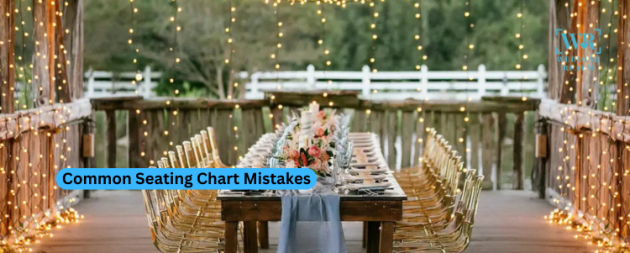
Planning a wedding seating chart can feel like solving a complex puzzle where every piece has feelings, opinions, and dietary restrictions. You're trying to balance family dynamics, friendship groups, and that one uncle who doesn't get along with anyone—all while creating an atmosphere where your guests feel comfortable and can enjoy themselves.
The seating chart is more than just a logistical necessity; it's a critical element that can make or break your guests' experience. A well-thought-out arrangement encourages conversation, helps shy guests feel included, and ensures everyone has a memorable time. On the flip side, common mistakes can lead to awkward silences, family drama, or guests feeling overlooked.
Whether you're just starting your wedding planning journey or fine-tuning the final details, avoiding these pitfalls will save you stress and help create the harmonious celebration you envision. And if you're looking for tools to make the process easier, Wedding Realm's Harmony tool can help you visualize and organize your seating arrangements with less hassle.
Let's dive into the ten most common seating chart mistakes couples make—and more importantly, how you can avoid them.
1. Starting Too Late
One of the biggest mistakes couples make is treating the seating chart as an afterthought. Many wait until the week before the wedding to tackle this task, only to discover it's far more complicated and time-consuming than anticipated.
Why it's problematic: When you start late, you're working with incomplete information, making rushed decisions, and dealing with last-minute RSVPs that throw everything into chaos. You won't have time to thoughtfully consider guest dynamics or make adjustments based on feedback.
How to avoid it: Begin working on your seating chart at least four to six weeks before your wedding. Start by creating a preliminary arrangement once you have about 75% of your RSVPs. This gives you a framework to work with while still allowing flexibility for late responses. Use this time to gather information about your guests—who knows whom, who might enjoy sitting together, and any special considerations like accessibility needs.
2. Ignoring Guest Relationships and Dynamics
Placing guests randomly or solely based on how you know them (all college friends at one table, all work colleagues at another) overlooks the complex web of relationships that exist among your guests.
Why it's problematic: You might unknowingly seat ex-couples together, place feuding family members side by side, or isolate someone who only knows you in a sea of strangers. This creates uncomfortable situations that can cast a shadow over your celebration.
How to avoid it: Do your homework. Ask close friends and family members about dynamics you might not be aware of. Consider creating a simple spreadsheet noting who knows whom and any potential conflicts. Think beyond your direct relationship with each guest and consider how they'll interact with their tablemates. When possible, seat guests with at least one or two people they know, while also introducing them to friendly new faces who share common interests.
3. Creating an "Overflow" or "Random" Table
The dreaded "miscellaneous table" where you place all the guests who don't fit neatly into other categories is a recipe for an awkward experience. These tables often include a random mix of plus-ones who don't know anyone, distant relatives, and colleagues who have nothing in common.
Why it's problematic: Guests at these tables often feel like they're at the "reject" table. Conversation is stilted because there's no natural connection between attendees, and people may feel like they weren't important enough to warrant careful placement.
How to avoid it: Every guest deserves thoughtful consideration. If you have a group that's harder to place, get creative. Mix in some of your more outgoing, socially skilled friends who can facilitate conversation. Look for common ground—even if people don't know each other, they might share interests, professions, or life stages that can spark conversation. Consider seating younger singles together, parents with similarly aged children at another table, or guests who share hobbies. The goal is to create intentional connections rather than random assignments.
4. Forgetting About Sightlines and Accessibility
Getting so focused on who sits with whom that you forget about the physical layout of the venue is a common oversight. Not all tables have equal views of the dance floor, head table, or where the action happens.
Why it's problematic: Guests seated behind pillars, in corners, or with obstructed views may feel like second-class attendees. Additionally, failing to consider accessibility needs can make it difficult or uncomfortable for guests with mobility issues, hearing impairments, or other special requirements to fully participate in your celebration.
How to avoid it: Visit your venue and look at the space from different angles. Identify any obstructed view areas or spots that feel isolated from the main action. Reserve these less desirable spots for tables that will be occupied less during the reception—perhaps for younger guests who'll spend most of their time on the dance floor.
For accessibility, place guests who use wheelchairs or walkers at tables with easy access to entrances, restrooms, and the dance floor. Seat guests with hearing difficulties closer to where speeches will be made. If you have elderly guests or those with limited mobility, avoid placing them at tables far from essential amenities. Always confirm any special needs when guests RSVP so you can plan accordingly.
5. Making Tables Too Large or Too Small
Table size significantly impacts the guest experience, yet many couples simply accept whatever their venue offers without considering whether it's optimal for conversation and comfort.
Why it's problematic: Tables that are too large (10-12 people) make it nearly impossible for everyone to participate in the same conversation, leading to fragmented discussions and some guests feeling left out. Conversely, tables that are too small might not provide enough social variety or might make it awkward if two guests don't hit it off.
How to avoid it: If your venue allows flexibility, opt for tables of 6-8 guests. This size is ideal for facilitating group conversation while still feeling intimate. Everyone can hear and participate in the discussion, and there's enough variety to keep things interesting. If you're stuck with larger tables, be extra thoughtful about mixing conversation starters throughout and perhaps provide table games or conversation cards to help break the ice. For smaller tables, ensure each one has a good mix of personalities and at least a few commonalities to smooth over any potential awkwardness.
6. Separating Couples and Close Friends
In an effort to mix things up or balance tables, some couples make the mistake of separating significant others or best friends who were hoping to enjoy the event together.
Why it's problematic: Your guests attend your wedding partly to celebrate with you and partly to enjoy an evening out with their date or close friends. Separating them can make both parties feel uncomfortable and disconnected from the celebration. They'll spend the evening trying to catch glimpses of each other across the room rather than being present at their own tables.
How to avoid it: Keep couples together, always. This includes married couples, engaged couples, and anyone who RSVPed with a plus-one. The only exception might be if both parties are in the wedding party and seated at a head table, but even then, consider alternative arrangements that allow partners to sit together. For very close friends—the kind who came to the wedding together and consider it a social outing—try to seat them at the same table unless there's a compelling reason not to. This doesn't mean you can't introduce them to new people; just ensure they have their anchor person nearby.
7. Neglecting the Singles
There's a delicate balance when it comes to seating single guests. Some couples make the mistake of creating an obvious "singles table," while others scatter single guests randomly without considering their comfort level or interests.
Why it's problematic: An obvious singles table can feel awkward and forced, like a setup that nobody asked for. Random placement might leave single guests feeling isolated, especially if they're surrounded by couples engaged in their own conversations.
How to avoid it: Integrate single guests thoughtfully throughout your seating chart. Consider their personalities, interests, and social comfort levels. Outgoing singles might enjoy meeting new people, while introverts might prefer being seated with mutual friends. If you do have a table with several single guests, frame it around shared interests rather than relationship status—perhaps your friends who love hiking, your colleagues from work, or friends from your book club.
Also, don't assume your single guests want to be matched up romantically. While some might appreciate meeting other singles, others are perfectly happy socializing in a group setting without any matchmaking pressure. Focus on creating an environment where everyone can have engaging conversations and feel included.
8. Forgetting About Children
Couples often struggle with how to handle children at their wedding, and this confusion extends to seating arrangements. Some forget to account for them entirely, while others make decisions that don't work for the children or their parents.
Why it's problematic: Not planning for children can lead to chaos—where do high chairs go? Are kids stuck at an adult table where they're bored? Are parents separated from young children who need supervision? These oversights can make the experience stressful for families and disruptive for other guests.
How to avoid it: First, decide your overall approach to children at your wedding. If you're having a kids-welcome celebration, consider whether a separate kids' table makes sense. For children aged 7-12, a kids' table with activities, age-appropriate food, and perhaps a designated supervisor can be a hit. Make sure it's positioned where parents can easily keep an eye on their children.
For younger children and toddlers, seat them with their parents at adult tables and ensure the venue provides appropriate seating (high chairs, booster seats). You might group families with similarly aged children together so parents can commiserate and kids have playmates. If you're having a mostly adults-only wedding with a few children as exceptions, integrate those families seamlessly into the main seating rather than isolating them.
9. Leaving VIPs and Honored Guests Unclear
Not clearly identifying or properly honoring VIPs like parents, grandparents, or special mentors can lead to hurt feelings and awkward situations.
Why it's problematic: Your VIPs have played significant roles in your life and your wedding planning. Relegating them to standard guest tables without thought or failing to seat them prominently can feel like a slight, even if unintentional. Additionally, other guests may be confused about protocol—should they save seats? Where should they sit in relation to the head table?
How to avoid it: Decide early how you'll honor your VIPs. Many couples choose a sweetheart table for just the two of them and then create special tables for parents and wedding party members nearby. Alternatively, a traditional head table includes the wedding party, with parents seated at a nearby honored table with the best view in the house.
Make sure your immediate family members—parents, stepparents, grandparents—are seated at prime tables close to the head table with excellent sightlines. If you have special guests like godparents, mentors, or friends who played crucial roles in bringing you together, acknowledge this in your seating choices. You might also include a note in your program or a small sign at their table recognizing their importance.
10. Setting It and Forgetting It
Creating your seating chart and then never revisiting it is a critical mistake. Guest lists are fluid—people cancel, new plus-ones are added, dietary restrictions change, and you might receive new information about guest relationships.
Why it's problematic: An outdated seating chart leads to empty seats at some tables, overcrowding at others, and missed opportunities to improve the arrangement based on new information. You might also forget to account for vendor meals or last-minute changes that throw off your entire plan.
How to avoid it: Treat your seating chart as a living document. Review and update it regularly as RSVPs come in and circumstances change. Set a final deadline (typically three to five days before the wedding) when you'll lock in the arrangement, but remain flexible until then. Before you finalize everything, do a last walk-through of your plan:
Does every guest have a seat?
Are there any awkward gaps or overcrowded tables?
Have you accounted for all last-minute changes?
Do all special needs guests have appropriate accommodations?
Have you confirmed the final count with your caterer?
Do you have a backup plan for truly last-minute additions or cancellations?
Create an emergency kit for your wedding day that includes blank place cards and a copy of your seating chart so your day-of coordinator or a trusted friend can handle any last-minute adjustments.
Final Thoughts
Your seating chart is one of the most challenging aspects of wedding planning, but it's also one of the most important for ensuring your guests have a wonderful experience. By avoiding these ten common mistakes, you'll create an environment where your guests feel valued, comfortable, and ready to celebrate your special day.
Remember that perfection is impossible—you can't please everyone, and some guests might have preferences you can't accommodate. Do your best with the information you have, be thoughtful and intentional in your decisions, and trust that your guests will appreciate the effort you've put into making them feel welcome.
The goal isn't to create the "perfect" seating chart but rather one that reflects your care for your guests and sets the stage for meaningful connections, great conversations, and wonderful memories. Take a deep breath, trust your instincts, and know that with careful planning and attention to these common pitfalls, you're well on your way to creating a beautiful, harmonious celebration that everyone will enjoy.