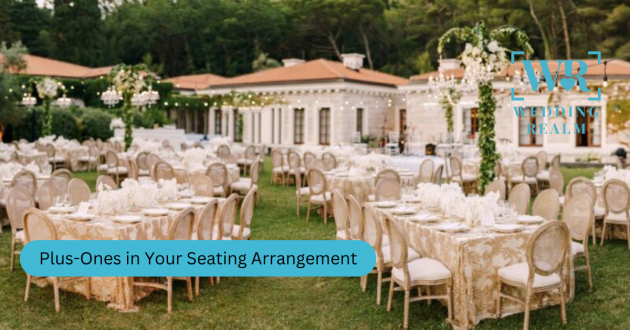
Plus-ones may seem like a small detail in your wedding planning, but they can quickly complicate your seating chart in ways you didn’t expect. You're trying to balance relationships, make thoughtful placements, and create an atmosphere where everyone feels welcomed—yet a single added guest can shift table numbers, disrupt groupings, or create awkward gaps that make the puzzle harder to solve.
Deciding who gets a plus-one and where they sit has more emotional weight than it might seem. Handled well, plus-ones help guests feel supported and comfortable. Handled poorly, they can lead to discomfort, misunderstandings, or even unexpected drama. The key is to approach them with intention, fairness, and clear etiquette.
Whether you're early in the planning stage or fine-tuning your seating chart, thoughtful decisions around plus-ones will help maintain harmony at every table. And if you want a stress-free way to visualize seating options, Wedding Realm’s Harmony tool can help you map out placements and avoid last-minute chaos.
Here’s your complete guide to navigating plus-ones with confidence.
1. Giving Everyone a Plus-One Without Thinking Twice
Many couples default to “everyone can bring someone” to avoid awkwardness—but this creates its own set of challenges.
Why it’s problematic:
Automatically offering plus-ones inflates your guest list, increases costs, and complicates your seating strategy. You may end up with tables full of people who don’t know each other—or worse, unfamiliar guests who feel out of place.
How to avoid it:
Follow common etiquette guidelines:
Offer plus-ones to married or engaged guests.
Include long-term partners.
Consider giving them to guests who won't know many people.
Being intentional keeps your numbers manageable and your seating plan thoughtful.
2. Not Clarifying Who the Plus-One Actually Is
Some couples simply list “+1” on invitations, hoping guests will fill in the details later. But when you’re planning a seating chart, ambiguity becomes your enemy.
Why it’s problematic:
You may end up scrambling at the last minute because you don’t know who is attending. That mystery person could affect table balancing, meal counts, or even interpersonal dynamics you weren’t prepared for.
How to avoid it:
Request the guest’s name with their RSVP.
This ensures:
You can seat them intentionally.
Your place cards are accurate.
You avoid surprises on the wedding day.
Plus, it signals respect—everyone likes to feel acknowledged by name.
3. Seating Plus-Ones Far Away From the Guest Who Invited Them
Some couples place plus-ones wherever there’s space instead of prioritizing their comfort.
Why it’s problematic:
A plus-one who knows no one may feel confused, isolated, or uncomfortable throughout the celebration. Your invited guest may also feel guilty or distracted, worrying about their partner’s experience.
How to avoid it:
Always seat plus-ones with the person who brought them.
They’re attending as a pair; treat them like one. Even if it means shifting a table arrangement, keeping them together ensures everyone feels comfortable and valued.
4. Creating a “Plus-One Only” Table
Filling one table with assorted plus-ones seems efficient—but it rarely works well.
Why it’s problematic:
These guests typically don’t know one another, don’t share personal connections, and have little context for the event. The result is an awkward table with forced conversation and a sense of being sidelined.
How to avoid it:
Mix plus-ones naturally among guest groups.
Seat them with the partner who brought them and place the couple where they fit best socially. Blending them into comfortable clusters gives everyone a more enjoyable experience.
5. Ignoring Personality and Social Comfort Levels
Not all plus-ones are equally outgoing. Some thrive in new groups; others quietly struggle.
Why it’s problematic:
A shy or introverted plus-one may feel overwhelmed or overlooked if seated at a table full of strangers who all know each other well.
How to avoid it:
Balance your tables thoughtfully.
Consider seating these guests near:
Friendly, welcoming people
Shared interests
Other newcomers who will connect easily
Even without familiarity, you can create a table where conversations feel natural and inclusive.
6. Overlooking the Dynamics of New or Casual Relationships
Not every plus-one represents a serious partnership. Some couples have guests bringing someone new—or even someone you’re meeting for the first time.
Why it’s problematic:
A casual partner might feel uncomfortable being placed at an intimate family table. Likewise, you risk awkwardness for your guest if their new date is surrounded by relatives or close friends who share deep history.
How to avoid it:
Seat these couples thoughtfully:
Avoid ultra-close family tables.
Place them in friend groups or mixed social groups.
Keep the atmosphere casual and comfortable.
Your goal is to give them a welcoming environment without overwhelming them.
7. Forgetting the Dietary or Accessibility Needs of Plus-Ones
Some couples only collect this information from primary guests and never extend it to their plus-ones.
Why it’s problematic:
A forgotten food allergy or accessibility requirement can create discomfort—or even unsafe situations.
How to avoid it:
Request dietary needs and special accommodations for plus-ones through the RSVP form. Then seat them accordingly—whether that means proximity to exits, space for mobility aids, or placement near quiet, comfortable areas.
8. Not Accounting for Plus-Ones in Reception Flow
Plus-ones aren’t just part of the seating chart—they’re part of your guest experience.
Why it’s problematic:
If you don’t plan for them, you may miscount meals, underestimate venue spacing, or end up with awkward gaps at key tables.
How to avoid it:
Update your numbers regularly.
Review your seating layout a few weeks before the wedding. Make sure all plus-ones have:
Assigned seats
Place cards
Appropriate table placement
Accurate meals
Using a tool like Harmony makes these last-minute checks much easier.
9. Forgetting About Ceremony Seating
Just like divorced parents or VIPs, plus-ones affect ceremony arrangements too.
Why it’s problematic:
If they’re not accounted for, you could end up with empty seats, unbalanced rows, or guests unsure where to sit.
How to avoid it:
Seat couples together at the ceremony as well. Ensure ushers know the number of seats reserved for each invitation group. It keeps everything flowing smoothly from the moment guests arrive.
10. Treating Plus-Ones as an Afterthought
It’s easy to see plus-ones as “extra,” but they’re real people at your celebration.
Why it’s problematic:
When plus-ones aren’t considered with care, it shows—both to them and to the guests who brought them. They may feel unwelcome or unsure of their place in the event.
How to avoid it:
Approach plus-ones as part of your extended guest community.
Be intentional about seating them, acknowledging them, and ensuring they feel included. Even small touches—like labeled place cards or being seated with warm, friendly guests—go a long way.
Final Thoughts
Handling plus-ones thoughtfully is an essential part of crafting a welcoming wedding experience. These guests may not know you personally, but they’re connected to people you care about—and that connection deserves respect and consideration.
Remember: your goal isn’t to overthink every detail, but to create an environment where everyone feels comfortable, supported, and included. With a little planning, empathy, and intentional seating, you can ensure plus-ones integrate seamlessly into your celebration.
And if you want to avoid the guesswork altogether, a visual tool like Harmony can help you plan, adjust, and perfect your seating arrangements with confidence.