Planning a wedding involves countless decisions, but few are as intricate—or as important—as creating your seating chart. This seemingly simple task of deciding who sits where can quickly become one of the most time-consuming aspects of wedding planning. Yet when done thoughtfully, a well-organized seating arrangement sets the stage for a joyful celebration where guests feel comfortable, conversations flow naturally, and everyone can fully enjoy your special day.
Whether you're planning an intimate gathering of 50 or a grand celebration of 300, mastering the art of the wedding seating chart will help ensure your reception is as memorable as your vows. Let's explore everything you need to know about creating a seating arrangement that works for everyone.
Why Your Seating Chart Matters More Than You Think?
Before diving into the logistics, it's worth understanding why this task deserves your careful attention. A thoughtful seating chart does far more than simply tell guests where to sit—it shapes the entire atmosphere of your reception.
First and foremost, strategic seating helps guests feel welcomed and valued. When people are seated near others they know or have common ground with, they're more likely to relax, engage in conversation, and enjoy themselves. Nobody wants to spend an entire evening making awkward small talk with strangers while their friends are laughing together across the room.
Your seating arrangement also influences the flow of your reception. A well-planned chart ensures smooth movement for catering staff, creates clear pathways for dancing and mingling, and helps prevent bottlenecks around high-traffic areas. It can even impact your timeline—proper placement of key family members and the wedding party makes it easier to coordinate speeches, toasts, and other important moments.
Perhaps most importantly, your seating chart is an opportunity to honor relationships and create new connections. It's your chance to seat your college roommate next to your cousin who works in the same industry, or to make sure your grandmother is close enough to see and hear everything without being overwhelmed by noise.
When to Start Planning Your Seating Chart?
Timing is crucial when it comes to seating arrangements. Start too early, and you'll be constantly revising as RSVPs change. Wait too long, and you'll be scrambling to finalize details in the final week before your wedding.
The ideal time to begin thinking about your seating chart is about four to six weeks before your wedding date. By this point, you should have most of your RSVPs and a clear headcount. However, it's wise to start gathering information earlier. As RSVPs come in, keep notes about any special considerations—guests with mobility issues, dietary restrictions that might affect table placement, or interpersonal dynamics you need to navigate.
Create a preliminary seating plan once you have about 75% of your RSVPs, but keep it flexible. This allows you to work through the bigger picture while leaving room for last-minute confirmations. Plan to finalize your chart about one to two weeks before the wedding, giving your venue and caterer enough time to arrange tables accordingly while allowing for any final changes.
Understanding Table Shapes and Configurations
Before you start assigning guests to tables, you need to understand your venue's layout and table options. The shape and size of your tables will significantly impact your seating strategy.
Round tables are the most popular choice for wedding receptions, and for good reason. They encourage conversation by allowing everyone to see and hear each other easily. Standard round tables typically seat 8-10 guests comfortably, though larger rounds can accommodate up to 12. The circular configuration naturally promotes an inclusive atmosphere where no one feels relegated to a "bad" seat.
Rectangular or banquet tables offer a more formal, traditional look and work particularly well for long, narrow reception spaces. They're ideal for creating one or two long head tables for the wedding party. However, conversation can be more challenging at rectangular tables, as guests at opposite ends may struggle to interact.
Square tables provide an intimate setting for smaller groups, typically seating 4-8 guests. They work beautifully for more compact venues and can create interesting visual patterns when arranged creatively throughout the space.
Many couples opt for a mix of table shapes to add visual interest and accommodate different group sizes. Your head table might be rectangular while guest tables are round, or you might use a combination of round and square tables to maximize your venue's floor plan.
Strategic Seating: Who Sits Where
Now comes the challenging part: actually deciding which guests sit at which tables. This is where careful thought and a good organizational system become essential.
The Head Table
Traditionally, the head table seats the newlyweds along with their wedding party. However, modern couples often choose alternatives that better suit their preferences. Some popular options include:
A sweetheart table for just the couple provides an intimate moment together and eliminates the challenge of seating attendants' plus-ones. If you prefer having your wedding party with you, consider whether to include just the attendants or their partners as well. A king's table—a long rectangular table seating the couple, wedding party, and all their dates—is another increasingly popular option.
Position your head table where it has good sightlines to the rest of the room and can be easily seen by all guests. It should be centrally located but not blocking pathways or important areas like the dance floor or bar.
Family Tables
Close family members deserve prime positioning near the head table. Create separate tables for the immediate family from each side, or combine families if numbers are small and relationships are cordial. Remember to account for divorced or separated parents who may prefer separate tables.
For families with young children, consider seating arrangements that make parent supervision easier. Placing families with kids near exits or less central locations can be helpful when little ones need breaks or get restless.
Guest Groupings
The key to successful guest table assignments is finding connections. Group people by how they know you—college friends, work colleagues, family friends, etc. When creating mixed tables, look for common ground: similar ages, shared interests, or complementary personalities.
Avoid the temptation to create a "singles table" or "random people table." These often feel like an afterthought and can make guests uncomfortable. Instead, distribute single guests among various tables where they'll have easy conversation partners.
Navigating Common Seating Challenges
Every wedding has its unique challenges when it comes to seating arrangements. Here are strategies for handling some of the most common dilemmas.
Divorced Parents and Blended Families
This is perhaps the most delicate seating consideration for many couples. If parents are on good terms, they can certainly sit together. However, if there's tension, create separate tables for each parent and their respective families or dates. Position these tables on opposite sides of the room if necessary, but try to give both equal proximity to the head table to avoid any perception of favoritism.
For remarried parents, seat them with their current spouses. Stepparents who played significant roles in your life should be honored with good seating, but be sensitive to complex family dynamics.
The Plus-One Problem
RSVPs with unexpected plus-ones can throw off your carefully planned seating. When this happens, resist the urge to split up couples or force two strangers to sit together as the only people without a date at their table. Instead, see if you can add an extra seat to an existing table, or reconfigure a couple of tables to accommodate the change while maintaining good group dynamics.
Difficult Guests
Every family has them—guests who don't get along, tend to dominate conversation, or have other challenging behaviors. Seat difficult personalities with gracious, easygoing guests who can handle themselves well. Avoid placing chronic complainers next to each other, as negativity tends to compound. Keep feuding relatives at separate tables, preferably with some distance between them.
Last-Minute Changes
Despite careful planning, expect some last-minute adjustments. Build flexibility into your system by using a method that's easy to modify—digital tools work particularly well for this reason. Keep your venue and caterer informed of changes as they happen, and designate someone (a wedding coordinator or reliable friend) to handle any day-of seating emergencies.
Tools and Techniques for Seating Chart Success
Gone are the days of colored sticky notes on poster board—though that method still works if you prefer it! Today's couples have numerous tools to simplify the seating chart process.
Digital planning tools offer the most flexibility and ease of revision. Harmony, a comprehensive wedding planning platform, can streamline the entire process, allowing you to visualize your floor plan, drag and drop guests between tables, and make instant changes as RSVPs come in. These tools often include features like guest list management, RSVP tracking, and even the ability to share your seating chart with vendors.
Creating Your Escort Cards and Seating Display
Once your seating chart is finalized, you need to communicate it clearly to your guests. This typically happens through escort cards or a seating chart display at your reception entrance.
Escort cards tell guests their table assignment but not their specific seat, allowing them some choice when they arrive at their table. These can be displayed alphabetically on a decorative table, hung from a frame, attached to small favors, or incorporated into creative displays like bottles, vintage windows, or maps.
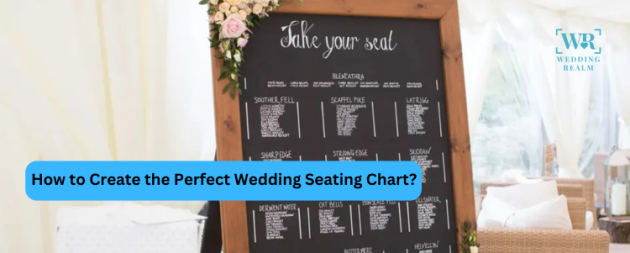
A seating chart display shows all table assignments on a single board or sign. This works well for smaller weddings where space is limited. Organize listings alphabetically by last name rather than by table number to help guests find their names quickly.
Whichever method you choose, ensure it's clearly visible, well-lit, and positioned where guests naturally flow after entering the reception space but before reaching the dining area. Include clear table numbers that match your table centerpieces or markers.
Special Considerations for Different Reception Styles
Your seating approach may need adjustment based on your reception format.
For cocktail-style receptions with limited seating, provide enough seats for about 60-70% of guests, with priority seating designated for elderly guests and those with mobility concerns. Clearly mark reserved tables while leaving others open for general use.
Buffet-style meals require strategic planning to prevent long lines and confusion. Consider releasing tables to the buffet in a specific order, starting with elderly guests and working outward from the head table. Make sure buffet lines are accessible from multiple sides if possible.
Family-style service, where dishes are passed around the table, works best with smaller table sizes—6-8 guests per table—to keep service manageable and conversation flowing.
The Final Checklist
As you finalize your seating chart, review this essential checklist:
Make sure every guest on your RSVP list has an assigned seat. Verify that table numbers on escort cards match the numbers on actual tables. Confirm your total matches your catering count. Double-check that guests with dietary restrictions are properly noted. Ensure elderly guests and those with mobility issues are seated near restrooms and exits. Account for any last-minute changes or cancellations.
Share your final seating chart with your venue coordinator, caterer, and day-of coordinator at least one week before the wedding. Bring a printed copy to your rehearsal dinner or keep one in your day-of emergency kit.
Embracing Imperfection
Here's the truth: despite your best efforts, your seating chart probably won't be perfect. Someone will wish they were at a different table. A guest might switch their place card with someone else's. An unexpected personality clash might occur.
And that's okay.
Your seating chart is a thoughtful attempt to create the best possible experience for your guests, but you can't control everything—nor should you try. Focus on the big picture: getting the important people in good spots, avoiding major conflicts, and creating an overall flow that works for your celebration.
Remember that guests attend your wedding to celebrate your marriage, not to judge your seating arrangements. Most people will be too focused on enjoying good food, catching up with loved ones, and celebrating with you to worry much about exactly where they're sitting.
Creating Connection and Celebration
At its heart, a wedding seating chart is about more than logistics—it's about creating an environment where love, joy, and connection can flourish. It's your opportunity to curate moments and foster relationships, bringing together the many different circles of your life in one beautiful celebration.
Take your time with this process. Consult your partner, get input from family members who know your guests well, and don't be afraid to make adjustments as new information comes to light. Use the tools available to you, stay organized, and approach challenges with flexibility and grace.
When you walk into your reception and see your guests laughing together, old friends reconnecting, and new friendships forming across the tables you so carefully arranged, you'll know that all the effort was worthwhile. Your seating chart may seem like just another item on your planning checklist, but it's actually one of the most meaningful ways you'll shape the experience of your wedding day.
With thoughtful planning, good organizational tools, and a dash of flexibility, you can create a seating arrangement that honors your relationships, facilitates connection, and sets the stage for an unforgettable celebration. Now go forth and start placing those names—your perfect seating chart awaits.