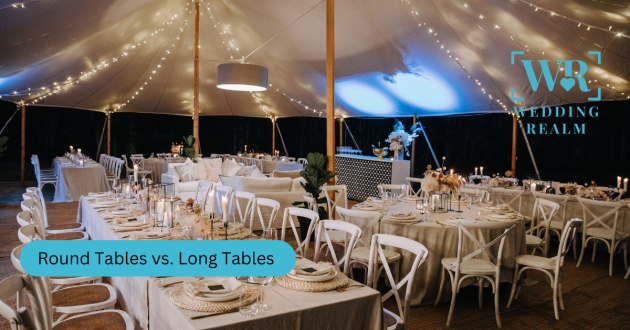
Choosing the right table layout might seem like a small styling decision, but it shapes the entire atmosphere of your wedding reception. The table arrangement influences how guests interact, how the space feels, how photos turn out, and even how smoothly your dinner service flows. The choice between round tables and long banquet tables isn’t just aesthetic — it's deeply practical.
Both layouts can create stunning, memorable receptions. Round tables feel classic and intimate, while long tables offer a modern, communal vibe. The key is understanding how each option affects flow, mood, and the guest experience so you can choose the style that aligns with your vision.
Here’s a complete guide to help you decide whether round tables, long tables, or a mix of both is the best fit for your wedding.
1. Atmosphere: Cozy vs. Connected
The physical shape of a table directly affects the emotional energy in the room.
Round Tables Create Soft Intimacy
Round tables naturally encourage comfortable conversation. Everyone faces the center, making it easy for guests to talk without leaning or shifting. They bring a sense of warmth and familiarity — perfect for traditional weddings or receptions where you want a calm, elegant feel.
Long Tables Feel Social and Communal
Long banquet tables evoke the feeling of a family-style dinner — lively, energetic, and connected. Conversations tend to happen down the line, and the overall mood feels more modern and festive. These are ideal for weddings with a relaxed, spirited atmosphere.
2. Space Usage: Efficiency vs. Flexibility
Your venue's size and layout might naturally favor one table style over the other.
Round Tables Work Well in Traditional Ballrooms
They fill square or rectangular rooms evenly and make it easy to arrange tables symmetrically. They also provide plenty of space for chairs, servers, and guest movement.
Long Tables Shine in Narrow or Open Spaces
Banquet tables maximize seating in long rooms or outdoor setups like gardens, barns, or marquees. They stretch beautifully down a space, creating a dramatic visual line that feels purposeful and organized.
3. Guest Interaction: Who Talks to Whom?
Think about how you want your guests to mingle.
Round Tables Encourage Group Conversations
Guests can see each other easily, which helps maintain one shared conversation. This works especially well for groups who might not know each other — the table itself helps break the ice.
Long Tables Foster Small Clusters
Guests mainly talk to the people beside or across from them. This can be comforting for introverted groups or family members who enjoy more intimate exchanges but may not mix as widely.
4. Aesthetic Style: Classic vs. Contemporary
Your table choice strongly influences the visual tone of your reception.
Round Tables Offer Timeless Elegance
They pair well with structured centerpieces, formal décor, and symmetrical layouts. If you're dreaming of a traditional or romantic look, round tables blend perfectly.
Long Tables Deliver Dramatic Impact
They allow for sweeping greenery runners, layered candle arrangements, and bold, uninterrupted designs. If you’re aiming for a modern, rustic, minimalist, or editorial feel, long tables create a stunning visual statement.
5. Dinner Service Flow: Smooth vs. Streamlined
Your catering style affects how well each table shape functions.
Round Tables Make Service Simple
Servers can approach from any angle and guests have plenty of space. This setup works well for plated dinners where timing and movement matter.
Long Tables Simplify Family-Style or Sharing Dishes
Since all guests sit in continuous rows, serving platters can move fluidly down the table. This setup enhances the communal dining experience and keeps things moving quickly.
6. Photography: Symmetry vs. Storytelling
Your table layout influences how your reception looks in photos.
Round Tables Look Neat and Balanced
Photographers can capture wide shots that feel airy and cohesive. The circular shape creates natural symmetry in your reception images.
Long Tables Create Cinematic Moments
Banquet tables photograph beautifully from above or along the table’s length. They add depth, rhythm, and storytelling elements to your photos — especially when decorated with long centerpieces and candlelight.
7. Guest Count: Matching Your Wedding Size
Your guest list may help determine which layout works best.
Round Tables Work for All Sizes
Small weddings feel intimate, and large weddings feel organized and evenly distributed.
Long Tables Excel for Medium and Large Weddings
They create beautiful visual impact without making the room feel cluttered. But for very small weddings, long tables can feel too stretched unless styled intentionally.
8. Blended Layouts: The Best of Both Worlds
You don’t need to pick a single table style — mixing shapes can look intentional and artistic.
Why Mixed Layouts Work
They break visual monotony
They help balance seating needs
They create zones for different guest types
They make your floor plan more dynamic
For example, long tables for younger, social groups and round tables for older relatives create comfort for everyone.
Final Thoughts
There’s no “better” choice — only the choice that aligns best with your vision, your venue, and the experience you want for your guests. Round tables bring timeless charm and easy conversation, while long tables add drama, modernity, and a sense of togetherness. Some weddings thrive with one style; others feel magical with a thoughtful mix.
Whichever layout you choose, remember that it should support connection, comfort, and flow throughout the celebration. If you want to explore different layouts visually, Wedding Realm’s Harmony tool allows you to experiment with arrangements until you find the perfect balance.