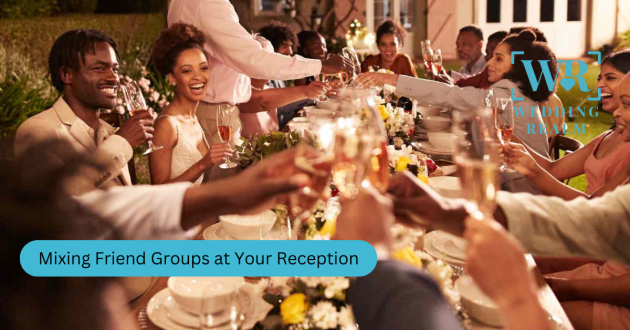
Your wedding reception brings together every chapter of your life—childhood friends, college roommates, work besties, your partner’s social circle, and friends you’ve met along the way. Each group knows a different version of you, carries its own memories, and shares its own inside jokes. Bringing all these people into one room is exciting… but it can also feel like you’re merging mini-universes that have never met.
Some groups blend instantly; others need a gentle nudge. Without thoughtful seating, you may unintentionally create tables where people feel out of place or stuck in awkward silence. But with the right approach, mixing friend groups becomes a chance to spark new friendships, meaningful conversations, and maybe even lifelong connections.
Your reception should feel open, warm, and fluid—not divided into cliques. Here’s your complete guide to creating a welcoming, harmonious atmosphere where every friend feels included, comfortable, and part of the celebration.
1. Understand the Energy of Each Friend Group
Before deciding who sits where, take a moment to reflect on the personality of each group.
Ask yourself:
Are they introverted or extroverted?
Do they prefer lively conversation or quiet bonding?
Are they the “dance first, eat later” type or the “let’s sit and chat” crew?
Do they share similar humor, hobbies, or backgrounds?
This quick emotional scan helps you pair groups that will naturally click rather than feel forced together.
2. Start With Natural Bridges — Not Random Pairings
Instead of blending groups randomly, look for “connector friends” who can bring two worlds together.
Who are connectors?
Friends who are outgoing
People who love introducing others
Friends who can talk to anyone
People who understand both sides of your life
Seat these guests at mixed tables to spark effortless conversation. They help ease transitions, break the ice, and keep the table dynamic and warm.
3. Blend Interests, Not Just Social Circles
Sometimes strangers connect more deeply through shared interests than shared acquaintances.
Try grouping guests by:
Similar careers
Hobbies (travel, sports, reading, fitness, art)
Life stages (single friends, newlyweds, young parents)
Personality type (adventurous, intellectual, calm, outgoing)
This creates instant common ground—even if guests come from different parts of your life.
4. Avoid Making Tables Feel Like “Assigned Cliques”
When you keep every friend group together, your reception can start to feel segregated—childhood friends at one table, college friends at another, coworkers in a corner.
Why this can backfire:
Guests talk only to the people they already know.
Tables feel disconnected from one another.
Some groups may appear “exclusive” and closed off.
Mixing groups (with intention) creates a welcoming, inclusive environment that feels like one big celebration rather than separate gatherings.
5. Use Table Sizes to Your Advantage
The size and shape of a table influence how easily people interact.
Round tables:
Ideal for blending groups—everyone can see and talk to everyone.
Long banquet tables:
Great for mixing groups gradually. Seat friend groups in alternating patterns so conversations can cross naturally.
Smaller tables:
Perfect for intimate, low-pressure conversations between people who don’t know each other well yet.
Choose table shapes that support the kind of interaction you want.
6. Don’t Mix Everyone — Mix Thoughtfully
Not all friend groups need to merge. Some people prefer comfort, familiarity, and staying close to their own circle.
Use mixing when:
Groups have compatible energies
You have outgoing connector guests
You want lively, dynamic tables
Keep groups together when:
They’re shy, introverted, or anxious
They have deep emotional history
Mixing might overwhelm them
Intentional decisions always beat forcing interaction.
7. Consider Pre-Existing Tensions or Personality Clashes
Even among friends, not everyone blends perfectly. Some personalities simply don’t mesh well.
Avoid seating together:
Individuals with past disagreements
Strong personalities that may clash
Friends who require more personal space
Someone who tends to dominate conversations with someone who prefers quiet
Protecting emotional comfort is more important than trying to “make it work.”
8. Think About Your Partner’s Friend Groups Too
It’s easy to plan around your own friends because you know them best—but your partner’s guests deserve equal care.
To make blending easier:
Ask your partner which friends know each other well
Identify who in their circle is most social
Understand any tensions or dynamics
Mix your groups in ways that feel natural, not forced
A balanced approach honors both sides equally.
9. Pay Attention to Activity Zones, Not Just Tables
Seating is only one part of the guest experience. Where guests are placed in the room also affects how they blend.
Think about:
Proximity to the dance floor
Distance from speakers (for quieter groups)
Visibility of the couple
Access to exits for anxious or older guests
Zones for extroverts vs. introverts
Strategic placement encourages easy movement, better conversations, and more organic mixing.
10. Support Interaction With Small Touches
A few subtle additions can help different groups connect without making it feel orchestrated.
What works well:
Conversation card prompts at tables
Fun table names based on shared interests
Icebreaker games during the reception
A photo scavenger hunt
Family-style meals that encourage sharing
These elements act as gentle conversation starters.
11. Keep a Couple of “Comfort Tables”
Even with mixing, some guests genuinely need comfort and familiarity.
Who benefits from comfort tables?
Older relatives
Introverted guests
Those who get overwhelmed easily
People navigating emotional situations
A comfort table creates a safe space for guests who prefer calm, steady environments.
12. Don’t Forget the Flow of the Entire Evening
Guests don’t stay seated the whole time. They mingle, dance, and explore the space.
This means:
Your seating choices simply set the tone — but the real blending happens throughout the night. Make sure:
Pathways are open
The bar isn’t isolated
Lounge seating encourages mixing
Group photos include different circles
The dance floor feels accessible to all
Small details help bring friend groups together naturally.
Final Thoughts
Mixing friend groups is part art, part intuition. The goal isn’t to engineer perfect interactions — it’s to create an atmosphere where everyone feels welcome, relaxed, and excited to be part of your celebration. With thoughtful placements, balanced personalities, and meaningful consideration for each guest’s comfort, your reception becomes more than a party. It becomes a shared moment where all the people you love—no matter where they come from—feel connected to your story.
If you want to visualize layouts, experiment with combinations, and eliminate stress, Harmony by Wedding Realm can make this entire process seamless and enjoyable.